



Wood Lathes
5 products


5 products
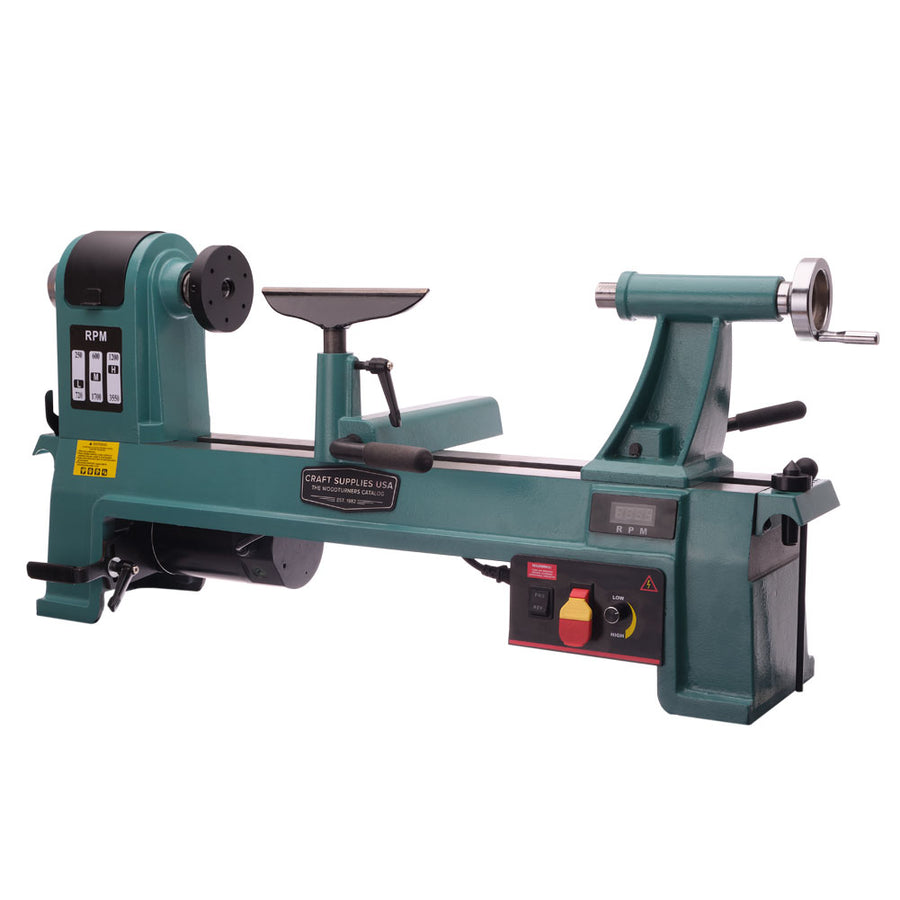
The wood lathe is the center piece of the woodturning hobby, and having a reliable and safe wood lathe will unlock your creative potential. Whether you’re a beginner taking your first steps into woodturning or a seasoned professional making beautiful wooden bowls, we have the perfect lathe for you. Here at Craft Supplies USA, we offer reputable wood lathe brands like Powermatic, JET, Vicmarc, Rikon, Robust, and Oneway. We carry a large range of woodturning lathe sizes from compact mini lathes to powerful full-size machines that cater to every budget and skill level.
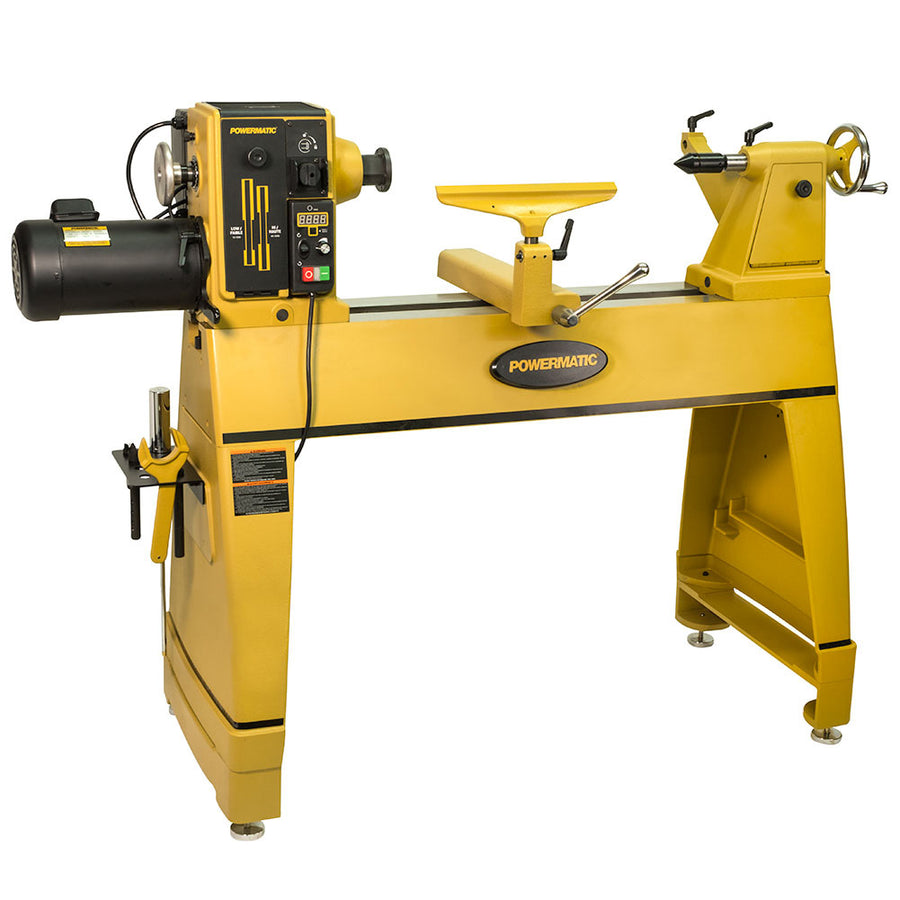
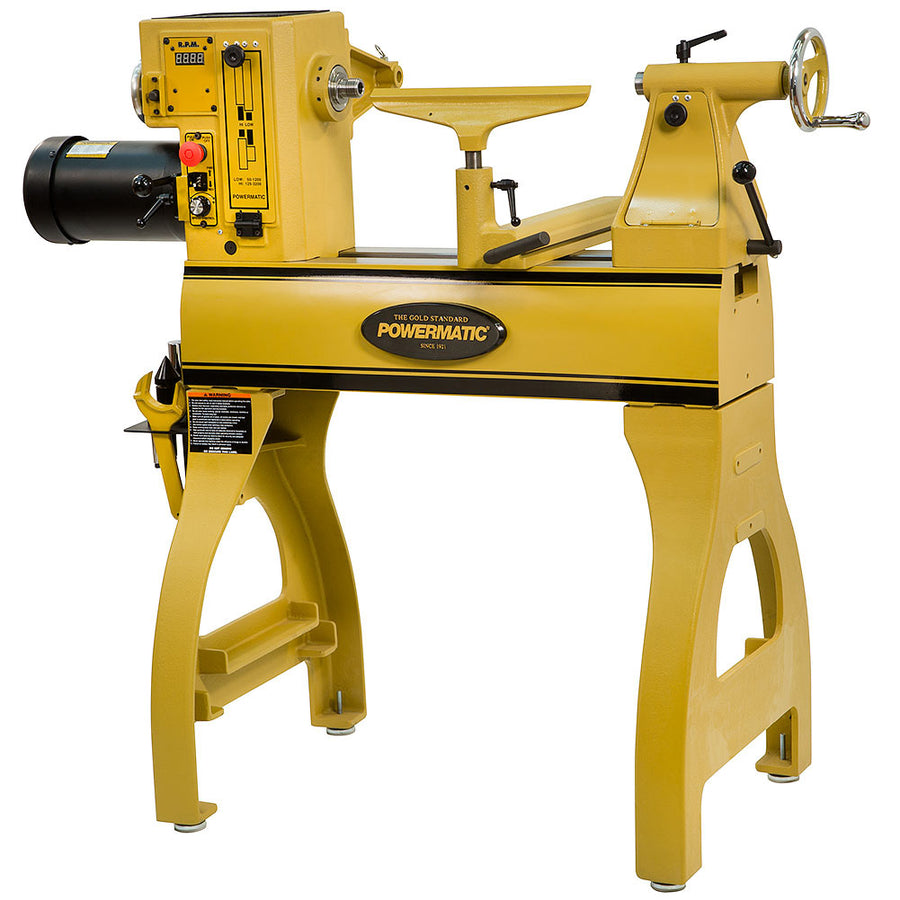
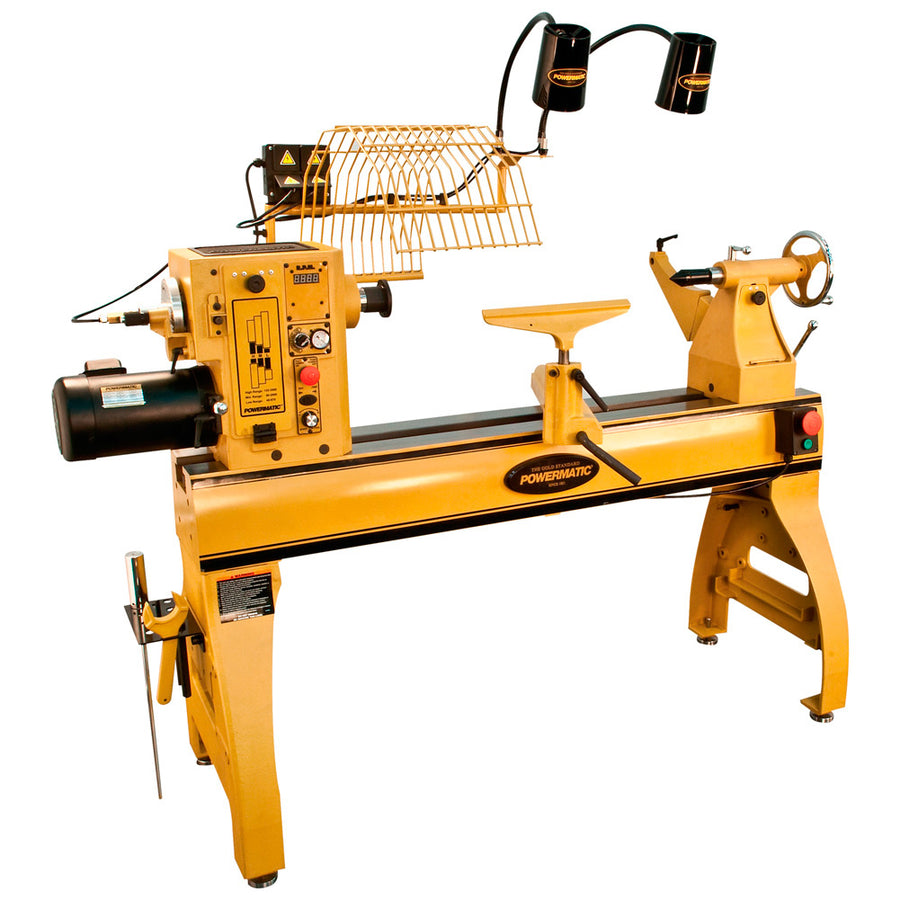
Powermatic wood lathes are known for their high quality and exceptional value. The ever-popular Powermatic 3520C wood lathe particularly nails the performance for value ratio. Powermatic wood lathes feature heavy cast iron and steel construction, with powerful motors, reliable variable speed controls, and a slew of available accessories. The build quality and fit-and-finish is apparent in the machined and polished lathe bed, smooth tailstock quill, and sizable locking levers. Powermatic has several lathe models available with swing capacities ranging from 14” to 24” and motor power ranging from 1hp to 3hp. All Powermatic wood lathes are backed with a 5-year warranty and parts are readily available should the need arise. See our blog post with companion video, Powermatic 3520C Lathe - An Old Favorite Modernized, where take an in-depth look at this customer favorite wood lathe.
JET wood lathes are a great choice for hobbyist and professional turners alike. Their mini and midi size lathes are exceptional and have been the benchmark in this category for many years. The JET 1221 midi lathe is one of our favorite machines to recommend for beginners. JET also offers wood lathes that are very popular for turners making long spindles, such as the JET 1640 lathe and JET 1840 lathe each with 40” between centers capacity, perfect for furniture makers. JET wood lathes are backed with a 5-year warranty and parts are readily available making them a solid investment for your woodworking shop.
It’s no coincidence that so many professional turners choose Vicmarc wood lathes for their shops. Vimarc’s reputation for performance, quality, and reliability is unrivaled. The Vicmarc VL300 lathe is one of the most capable and durable wood lathes on the market today. Constructed of heavy cast iron and steel with a powerful 3hp motor, reliable variable speed drive, and heavy-duty headstock bearings, the Vicmarc VL300 is a favorite of production woodturners like Mike Mahoney and Glenn Lucas. Vicmarc wood lathes are made in Australia and are backed by our exclusive 5-year bumper-to-bumper warranty making them a worthy investment for any serious woodturners workshop.
Robust wood lathes are an ultra-premium brand made in the USA. Robust lathes are available in several models ranging from 16” to 25” diameter capacity. They are known for their innovative design, quality materials, and fit-and-finish that is second to none. Robust lathes feature stainless steel lathe beds, top quality motors, and premium remote controls. Robust lathes have one of the longest warranties in the industry at 7 years. While not for every budget, Robust lathes like the Robust American Beauty are truly at the leading edge of wood lathes available today.
Oneway lathes are a renowned brand made in Canada. They feature a unique tubular bed design with reliable and smooth speed controls and a heavy steel base. They offer a variety of models ranging from 12” to 24” diameter capacity. The Oneway 2436 is their flagship wood lathe showcasing their thoughtful engineering and quality construction.
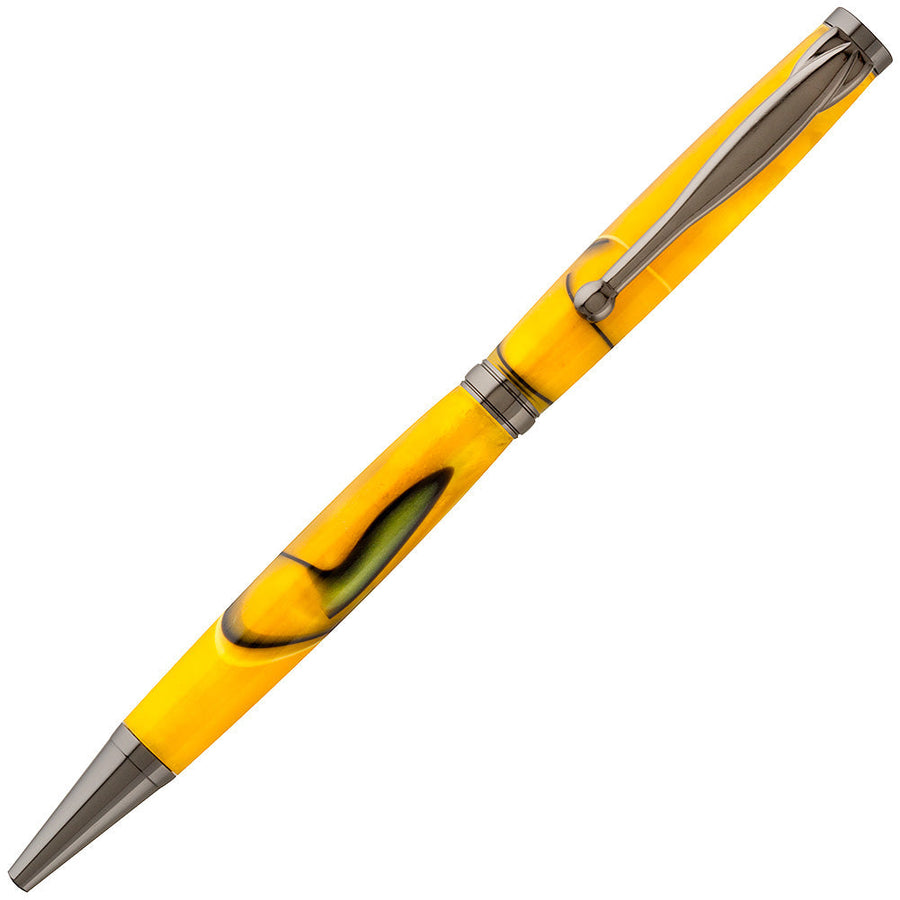
If you are just starting out woodturning and are primarily interested in small projects and pen turning, Rikon lathes are a good option. The Rikon 70-105 mini lathe is a simple, no-frills mini lathe that’s built to provide years of service. We recommend Rikon lathes for those wanting to explore the craft of woodturning with minimal investment, without having to sacrifice quality and performance. Even at the entry level, Rikon lathes are backed by a 5-year warranty.
If you are not 100% satisfied with your purchase, you can return your order within 90 days of purchase for a full refund.